
Interlocking Pavers vs. Stamped Concrete vs. Natural Stone – Choosing the Best Patio Material in Ontario
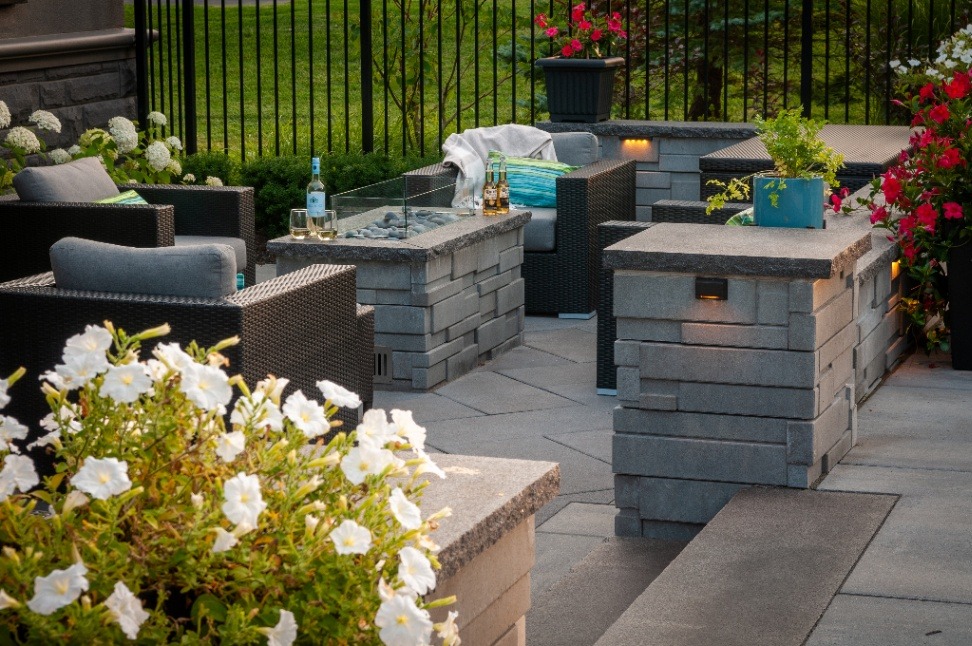
When you plan a new patio for your space in Ontario, you’re deciding how your outdoor space will look and feel for decades. The choice often comes down to three main materials: interlocking pavers in Ontario, stamped concrete, or natural stone. Each option has unique qualities that suit different budgets, tastes, and uses. Your patio will be exposed to freeze‑thaw cycles, rain, and sunlight. Picking the right material means balancing cost, durability, style, and maintenance.
Why Your Material Choice Matters
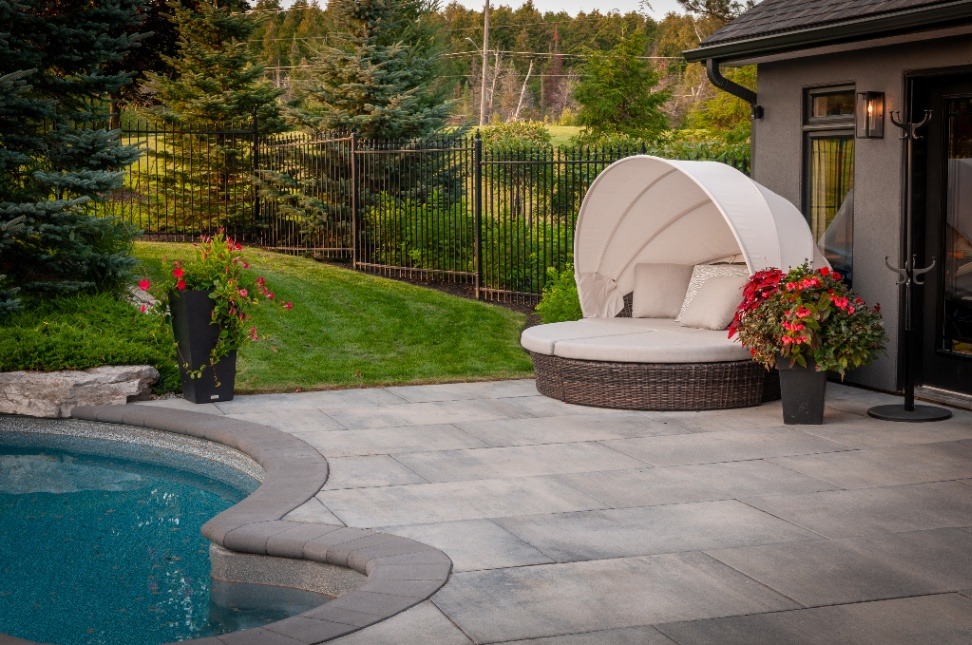
Ontario’s seasons test outdoor surfaces. Freeze‑thaw cycles can crack a solid concrete slab, and heavy rain can turn a flat surface into a slippery mess. Natural stone brings timeless beauty but higher initial costs and more complex installation. Interlocking pavers offer design flexibility and stand up well to shifting ground, but they may require occasional levelling. Stamped concrete provides the look of stone for less money, yet repairs can be challenging. Understanding these differences helps you make an informed decision.
Benefits & Considerations
Interlocking pavers in Ontario are individual units made from concrete or stone. Their interlocking edges provide stability and allow each piece to move slightly when the ground shifts, reducing the risk of cracks. If you value flexibility and long‑term performance, interlocking pavers may be your best choice.
Design Flexibility & Style
Because pavers come in many colours, shapes, and textures, you can create patterns that reflect your taste. You might choose a running bond pattern for a classic look or experiment with herringbone or basket weave. Borders and accent bands help you define spaces or highlight transitions. With interlocking pavers Ontario, you can blend complementary colours or mix finishes to suit your home’s architecture.
Durability & Weather Resistance
One of the biggest advantages of interlocking pavers in Ontario is their durability. Each paver can move independently, reducing the likelihood of widespread cracking during freeze‑thaw cycles. If one paver becomes stained or damaged, you can replace that single unit without disturbing the rest of the surface. Pavers also allow water to drain through joints, which reduces pooling and ice buildup.
Maintenance & Longevity
Routine care for interlocking pavers in Ontario involves sweeping, occasional resealing, and replacing sand between joints to deter weeds. Pressure washing can restore their colour, and a sealer can protect against stains. Because you can repair sections easily, maintenance stays manageable even after years of use. Pavers generally have a lifespan of 30 years or more when installed properly and maintained.
Stamped Concrete vs Natural Stone
Stamped Concrete
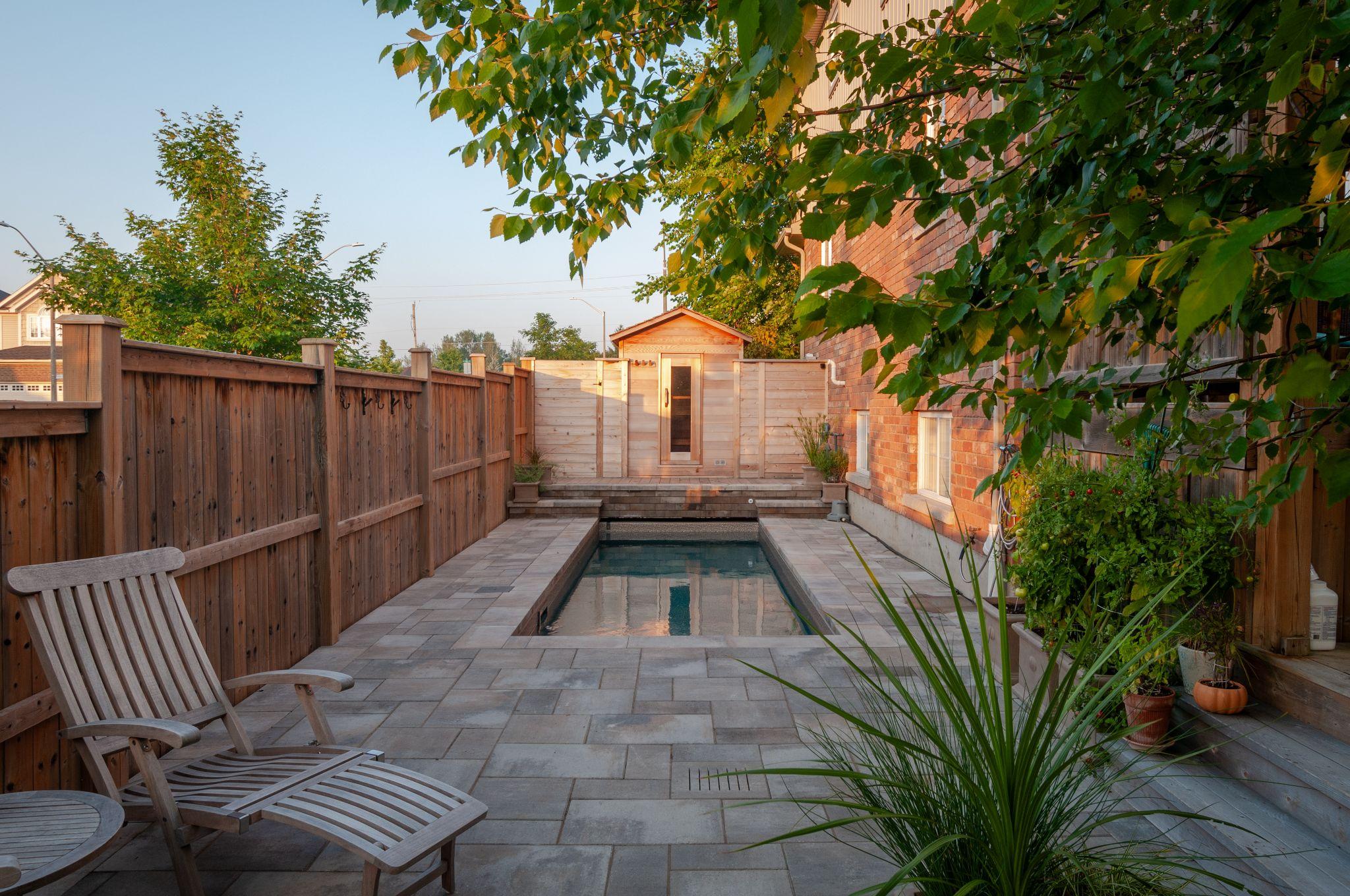
Stamped concrete is poured concrete imprinted with patterns and colours to mimic stone or brick. It provides a custom look for a lower price than natural stone. Because it’s a continuous slab, it stays level and doesn’t require re‑levelling like individual pavers. Stamped concrete can be coloured and textured to match your home’s style.
However, it has drawbacks. A solid slab does not flex with ground movement, so cracks can appear due to soil shifting or freeze‑thaw cycles. Repairs are tricky because patches often don’t match the original colour or pattern. Stamped surfaces also need resealing every few years to preserve colour and protect against moisture. Around pools or in wet areas, the surface can become slippery.
Stamped concrete may be right for you if you prefer the look of stone but want a more budget‑friendly installation, and you’re prepared for resealing and occasional crack repairs.
Natural Stone
Natural stone patios use quarried materials like flagstone, slate, or limestone. No two stones are identical, giving you a unique, organic look. Natural stone is durable and can last decades. A well‑designed stone patio may increase property value and curb appeal.
Natural stone comes with higher material and installation costs. Irregular shapes can make installation labour‑intensive. Some stones are more porous and may require sealing to prevent staining, especially in climates with fluctuating weather. Availability of specific stone types can also affect project timelines.
Natural stone may be the right choice if you desire a distinctive, timeless look and are willing to invest more in materials and installation.
Cost & Value Comparison
When comparing patio materials, look at both the upfront investment and long‑term value. Stamped concrete typically has the lowest initial cost due to less labour and simpler installation. However, maintenance, resealing and potential crack repairs can add costs over time.
Interlocking pavers in Ontario often cost more upfront but offer a high return on investment because of their durability and ease of repair. Pavers don’t require routine sealing and rarely need large-scale repairs. They also improve curb appeal, which may enhance your property’s resale value.
Natural stone costs the most because of quarrying, transport and complex installation. For homeowners who appreciate its luxury and long lifespan, the investment may be worthwhile. Stone tends to age gracefully and adds an upscale appearance that many buyers value.
When you weigh cost and value, think about your budget, how long you plan to live in your home and how much maintenance you’re willing to perform.
Maintenance & Durability in Ontario’s Climate
Ontario’s climate demands surfaces that can handle extreme temperature swings, precipitation, and freeze‑thaw cycles. Interlocking pavers in Ontario excel in these conditions. They allow water to drain through joints, reduce ice build‑up, and flex with ground movement. A properly installed paver patio can last three decades or more.
Stamped concrete requires resealing every two or three years to protect colour and prevent water infiltration. Without maintenance, stamped concrete may crack, fade, or develop stains. Because Ontario winters can be harsh, the risk of cracking is higher.
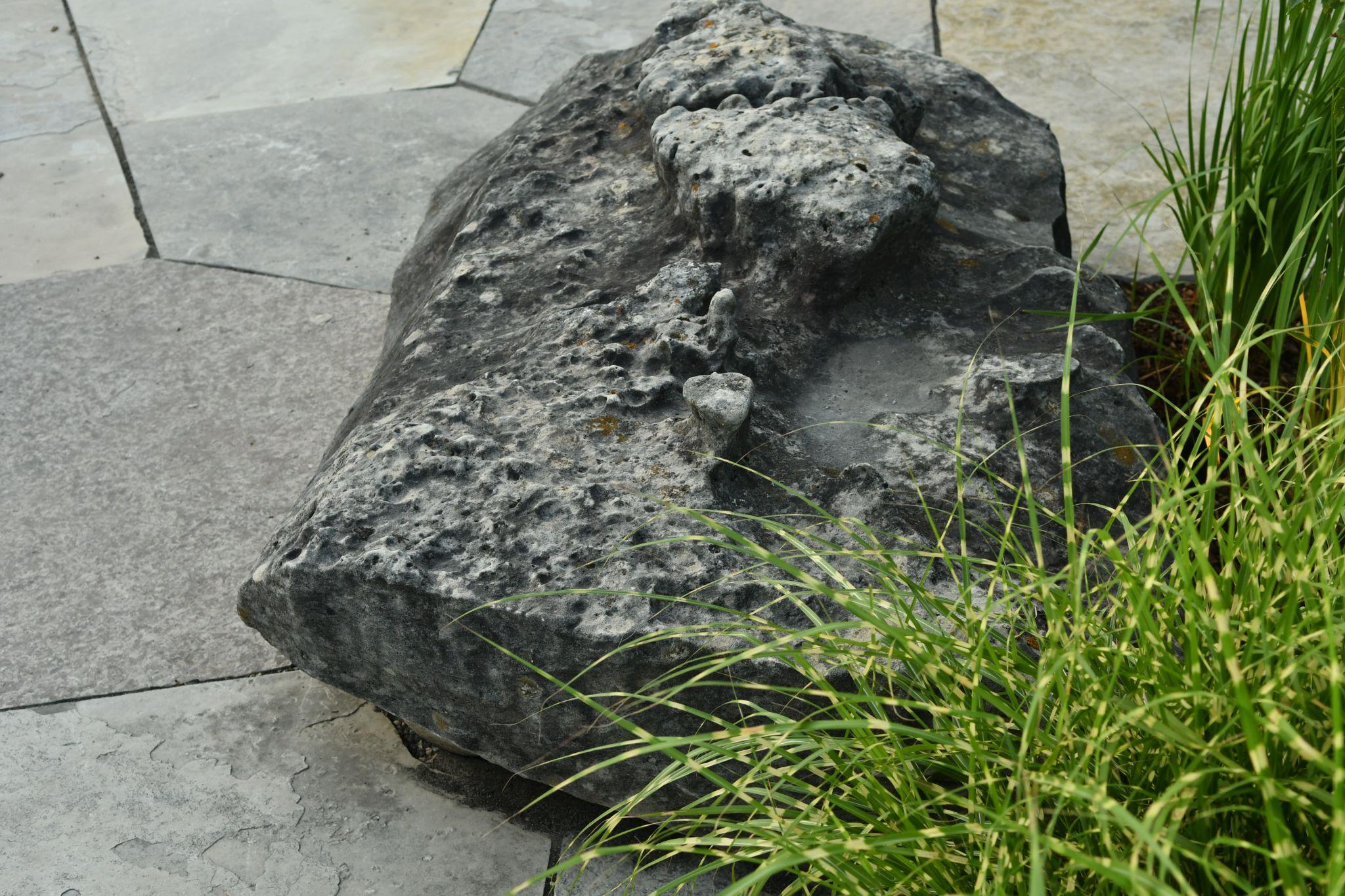
Natural stone is strong and can withstand weather changes. Some stones are porous, so they might need sealing to guard against moisture and staining. A natural stone surface on a well‑prepared base should remain stable and beautiful for many years.
Choosing the Right Patio Material for You
Every yard and homeowner is different. To choose the right material, consider:
- Aesthetic Goals. Do you prefer the uniform look of interlocking pavers in Ontario, the versatility of stamped concrete patterns, or the organic beauty of natural stone?
- Budget. Stamped concrete tends to be the least expensive initially. Interlocking pavers in Ontario offer mid-range costs with higher long‑term value. Natural stone demands the most investment.
- Use and Function. For driveways or heavily used patios, interlocking pavers deliver strength and easy repairs. Stamped concrete may suit a large, decorative patio where you want a consistent surface. Natural stone is ideal for spaces where a unique look and superior longevity matter.
- Maintenance Commitment. Are you ready to reseal stamped concrete regularly and watch for cracks? Would you rather swap a few pavers and brush fresh sand into joints? How do you feel about sealing natural stone to protect against stains?
- Environmental Impact. Some interlocking pavers are produced with recycled materials. Natural stone is a sustainable choice since it’s quarried and durable. Stamped concrete uses cement, which has a larger carbon footprint but requires fewer materials overall.
Deciding between interlocking pavers in Ontario, stamped concrete, and natural stone can feel daunting, but the right choice depends on your priorities. Pavers provide flexibility, durability, and easy repairs. Stamped concrete offers cost‑effective beauty but needs regular maintenance. Natural stone delivers unique elegance and long life but comes with higher costs. Think about how you will use your space, what maintenance you’re comfortable doing, and how each material complements your home. If you need professional help planning your patio project, request a consultation for your outdoor space.
Tags: