
Landscape Designer vs. Landscape Architect vs. DIY: Who Should Plan Your Outdoor Project?
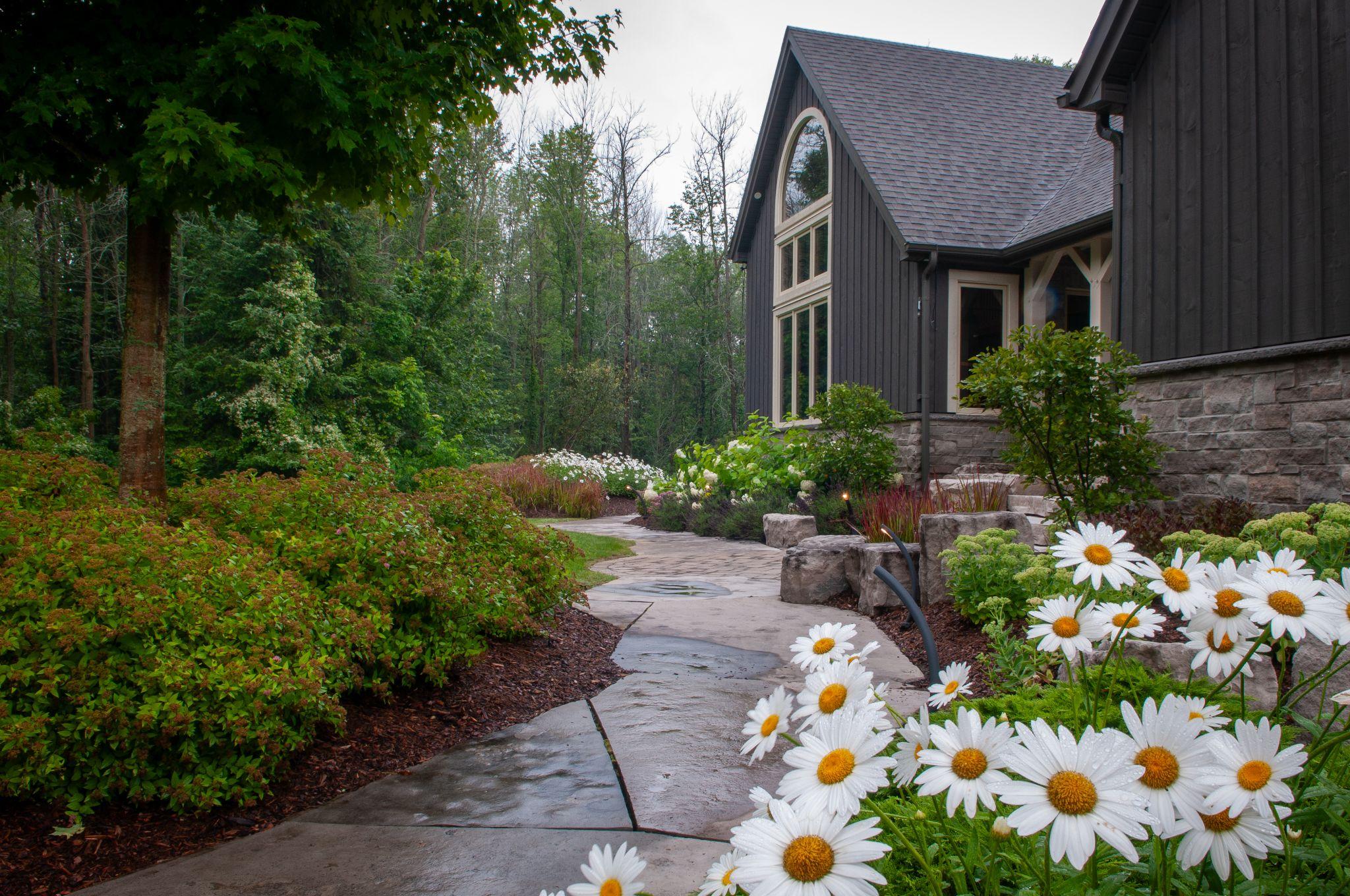
When you first think about improving your outdoor space, you might feel torn between handling the project yourself or hiring a professional. The phrase “landscape designer vs architect” often comes up during that decision, yet many homeowners aren’t sure what each role involves. People frequently confuse landscape architecture with other landscaping professions, making it difficult to choose the right help. The difference matters because outdoor projects range from straightforward flower beds to complex structures like patios and retaining walls. Designing irrigation systems, lighting, stone wall,s and patios calls for skills that go beyond those of the average homeowner.
In addition to complexity, your outdoor project reflects your personal style. You want a space that is both practical and enjoyable. A professional can help translate your ideas into a workable plan that fits local guidelines and environmental factors. This blog will clarify the differences between landscape designers and landscape architects while also exploring DIY landscaping planning. By understanding the strengths of each approach, you can choose the one that aligns with your goals, budget, and timeframe.
DIY Landscaping Planning: Is It Right for You?
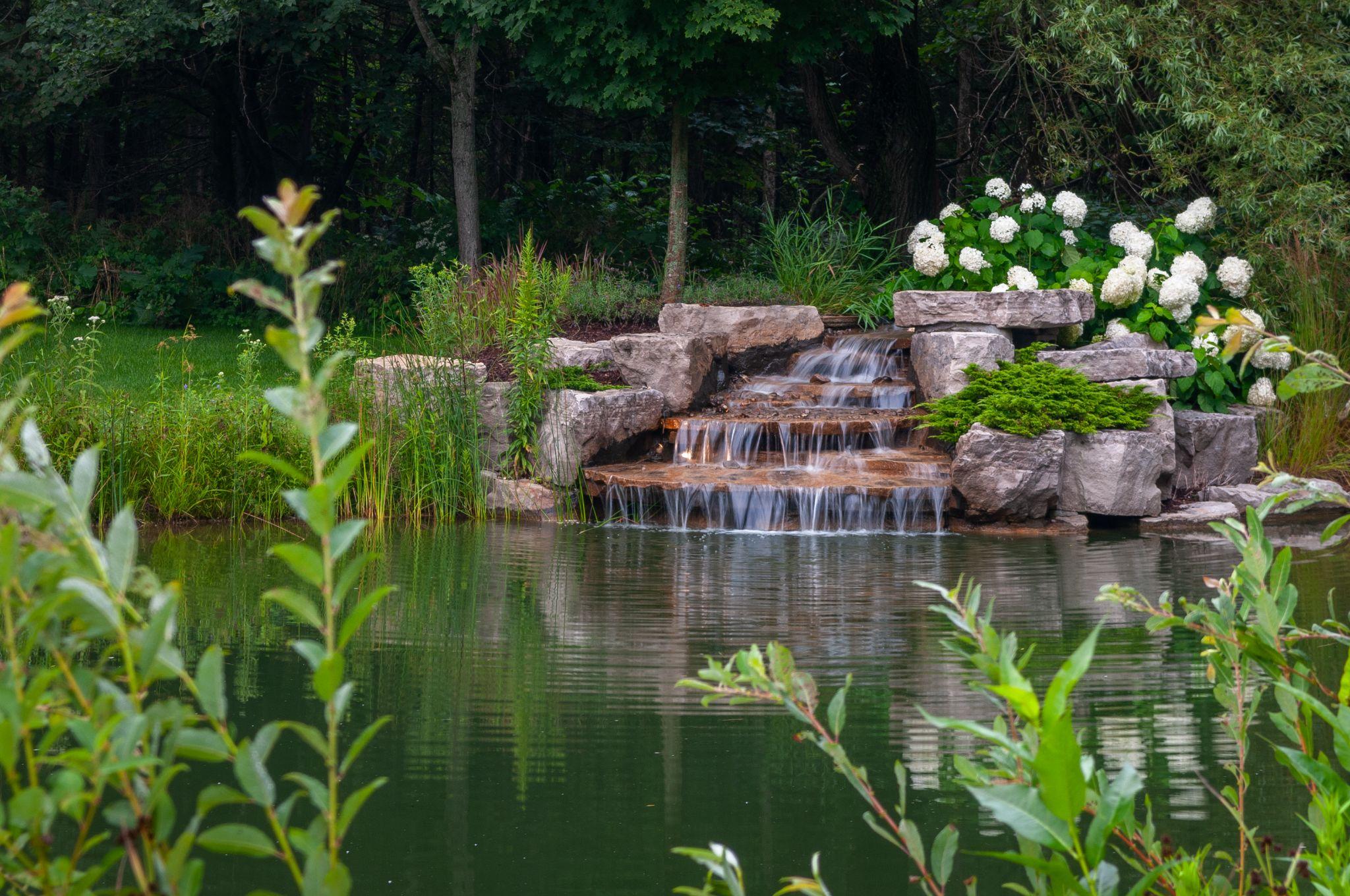
There is a satisfying simplicity to doing things yourself. DIY landscaping planning can work well for modest projects like planting a flower bed, installing a few shrubs or updating lawn edging. It gives you control over the schedule and helps keep costs down. However, larger or more technical tasks require careful planning and adherence to standards. Established guidelines for sidewalk widths, driveways, seating walls and decks can confuse novices. Even selecting plants requires knowledge of growth habits, sunlight needs and maintenance; simply knowing all the varieties and their mature sizes is challenging.
Before deciding whether DIY landscaping planning is suitable, ask yourself:
- Does the project include complex structures (irrigation, drainage, hardscaping) that exceed your expertise?
- Do you have the time to research local zoning codes, plant options and materials?
- Are you comfortable with measuring and drawing a detailed plan to scale?
If the job seems too big or involves more than basic planting, it may be time to consider hiring a professional. Professionals use plants and other elements to design and construct exterior spaces, ensuring that practical guidelines are followed. Understanding when to seek help is an essential part of the landscape designer vs architect discussion.
Landscape Designer vs Architect: Role Comparison
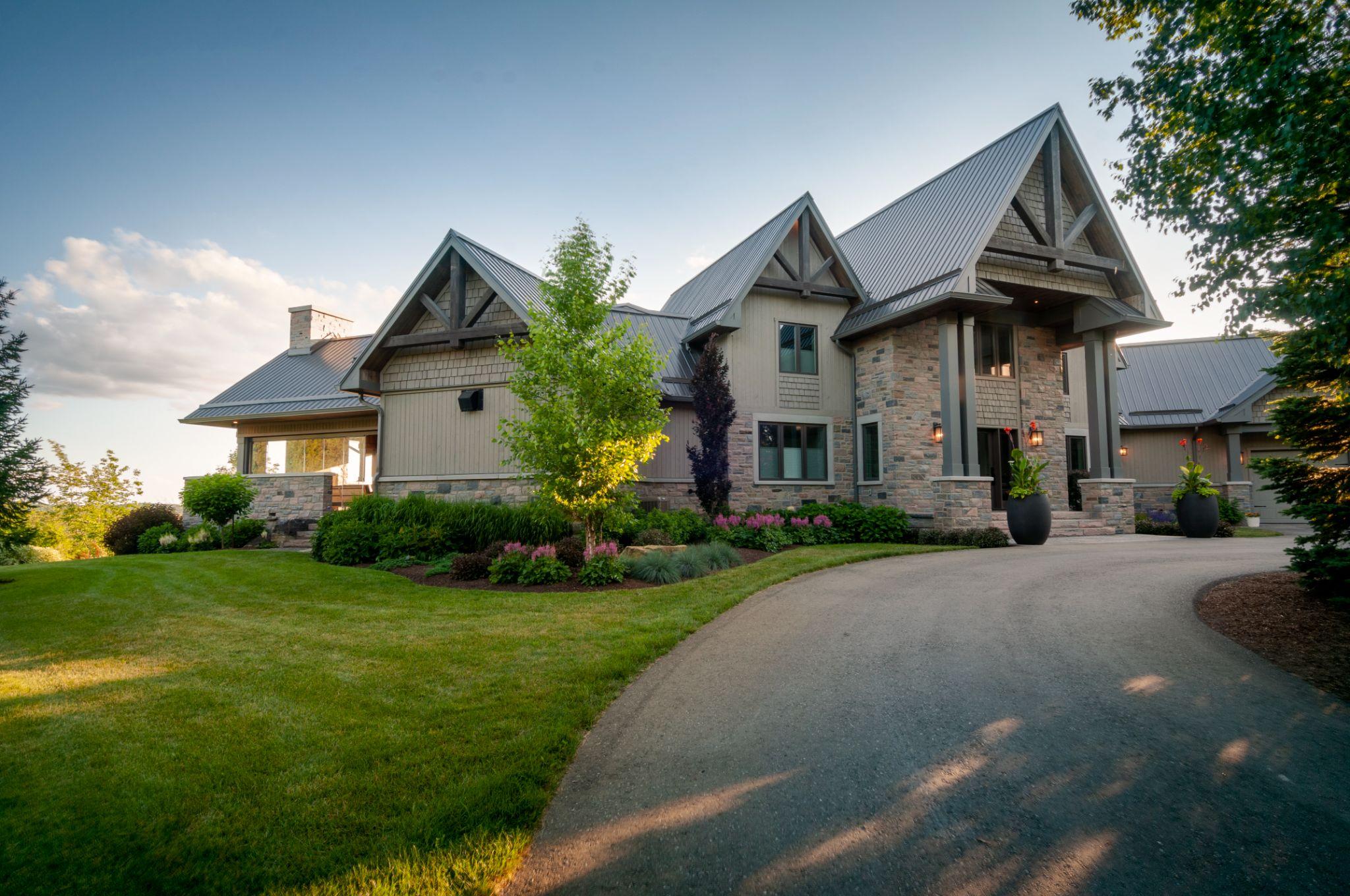
Both landscape designers and landscape architects create beautiful outdoor spaces, yet their training and scope of work differ. Landscape architects develop land with practical placement of structures, walkways and plantings. They know how to work with steep slopes, outdoor construction, irrigation systems and varied elevations. Landscape architects analyze, plan, design and manage entire projects. They often work on campuses, commercial centres or waterfronts, and they help with permanent outdoor features.
Landscape designers, by contrast, primarily handle smaller residential projects. They focus on outdoor spaces for homes or small businesses by considering hardscape and softscape elements, maintenance and seasonal changes. Many learn their trade through courses or on the job. Their main task is plant placement and creating a coherent layout. Designers will often work with a contractor to excavate, build decks or patios and install plants.
When thinking about the landscape designer vs architect distinction, remember that landscape architects typically have a bachelor’s or master’s degree and must pass a state-licensed exam. This education prepares them for large-scale, complex projects such as campuses, commercial spaces and waterfronts. Their focus includes structural placement and handling engineering challenges like slopes and elevations. The cost for their services is generally higher than for other professionals because of their advanced training.
Landscape designers may have formal training or coursework, but they do not require state licensure. They excel with small-scale residential or business gardens. Their expertise lies in selecting and arranging plants, understanding site conditions and tailoring designs to client preferences. The fees charged by landscape designers are usually moderate, making them accessible for homeowners who need design guidance without the extensive engineering knowledge of an architect.
Understanding these differences will help you navigate the landscape designer vs. architect choice more confidently.
Skills and Training: Licensing & Credentials

Licensing and education set landscape architects apart. To become a landscape architect, an individual must complete a professional degree and pass registration exams. This training covers engineering, construction, plant materials and design. Some regions also require supervised work experience before licensure. Because the profession is regulated, architects must meet strict standards and can be held accountable by professional boards.
Landscape designers, by contrast, are not licensed through the state. They may have college training in landscape design or related experience. Many join professional groups such as the Association of Professional Landscape Designers and follow codes of professional standards. Certification often involves peer-reviewed projects. Fees for landscape designer services are typically lower, making them accessible for smaller projects.
When comparing a landscape designer vs. an architect, think about the level of expertise required. If your project requires calculations for slope stability, drainage or structural integrity, a licensed architect’s training becomes vital. For projects centred on plant selection and aesthetic composition, a skilled designer can provide the needed guidance.
When to Choose a Landscape Designer vs. Architect
Deciding who should plan your outdoor project depends on the complexity, budget and long-term goals. A landscape designer vs. architect choice can be guided by several considerations. Project size and complexity should be your first thought. Landscape architects are suited to projects involving significant earthworks, engineering or public structures. They tackle steep slopes, varied elevations and structural elements. If your project includes retaining walls, drainage infrastructure or large-scale installations, an architect is the right fit. Designers excel with planting plans, garden layouts and small hardscapes.
Budget is another factor. Architect services generally cost more. Designers usually charge less, which may suit modest budgets. DIY landscaping planning might save on labour, but it demands time and research. Regulatory requirements also matter. Some municipalities require plans stamped by a licensed landscape architect for permits. If your project falls under such regulations, hiring an architect is mandatory.
Personal involvement is important too. Designers often work closely with homeowners, taking photos, discussing maintenance preferences and visiting nurseries. If you enjoy collaborating on plant choices and aesthetics, a designer might be a better match. An architect manages the entire project and coordinates with engineers and contractors, which can relieve you of hands-on responsibilities.
When the landscape designer vs architect decision still feels uncertain, consider scheduling consultations with both. Most designers and architects offer initial meetings; these conversations can reveal how each professional approaches your vision and whether their personality aligns with your expectations.
DIY Landscaping Planning Tips

If you decide that DIY landscaping planning suits your project, approach the task thoughtfully. Start with a plan. Measure your yard, note sun and shade patterns, and sketch the area. Define zones for seating, planting, and pathways. Research plants to select species suited to your climate and soil. Consider mature size and maintenance needs. Follow guidelines using published standards for walkway widths, deck sizes and driveway slopes. These guidelines help you create safe and comfortable spaces.
Manage water by ensuring adequate drainage and planning for irrigation systems. Improper grading can lead to erosion or pooling water. Phase the work by tackling projects in stages. Start with foundational elements like soil improvement and hardscape structures before planting. Throughout your DIY process, continue evaluating the landscape designer vs architect discussion. If the project becomes complicated or time-consuming, bringing in a professional can save stress and prevent costly mistakes.
Questions to Ask Before Starting Your Project

Whether you’re hiring help or going the DIY route, thoughtful questions will clarify your path.
- What is your budget, and how flexible is it if unexpected issues arise?
- Does the project require permits or plans from a licensed professional?
- How will you ensure continuity of work and communication with the team?
- What is the expected timeline, and how does it align with seasonal planting windows?
If considering a professional, ask how long their team has been together and whether they provide transparent pricing. For DIY, evaluate whether you have the time, tools, and knowledge to implement the plan safely. Each question relates back to the core issue of landscape designer vs. architect. By reflecting on these points, you will better understand your needs and capabilities.
Finding the Best Path for Your Outdoor Project

Choosing between a landscape designer, a landscape architect or taking on the work yourself is a personal decision. Landscape architects bring formal training, licensure and the ability to handle complex projects. Landscape designers offer plant knowledge and creative layout skills at a moderate cost. DIY landscaping planning can be rewarding for small projects, but complex designs, irrigation systems and structural elements require professional expertise.
Think about your project’s scope, budget and desired level of involvement. Seek professionals who are present from start to finish, who communicate openly and whose values align with yours. Whether you choose a designer, an architect, or a combination of both, an informed decision will help turn your vision into an enjoyable, enduring outdoor space. If you’re ready to explore your options, request a consultation to discuss your project with a trusted professional.
Tags: